Body Disposition Options in NSW
While the options for postmortem arrangements in Australia may seem limited to burial and cremation, you may have more choices than you realise.
Burial: Burial involves a body being buried or interred in a cemetery. This could either be traditional lawn-burials or in a mausoleum.
Cremation: Cremation is often a cheaper option than burial. Cremation is the process of placing the coffin into a cremation chamber. The chamber uses high temperatures to carry out the process. It usually takes one and a half to three hours to complete the process. The cremains or ashes can either be interred at a cemetery or kept by the family and either spread or kept in an urn. Some people also choose to have ashes turned into jewellery, or buried with a tree.
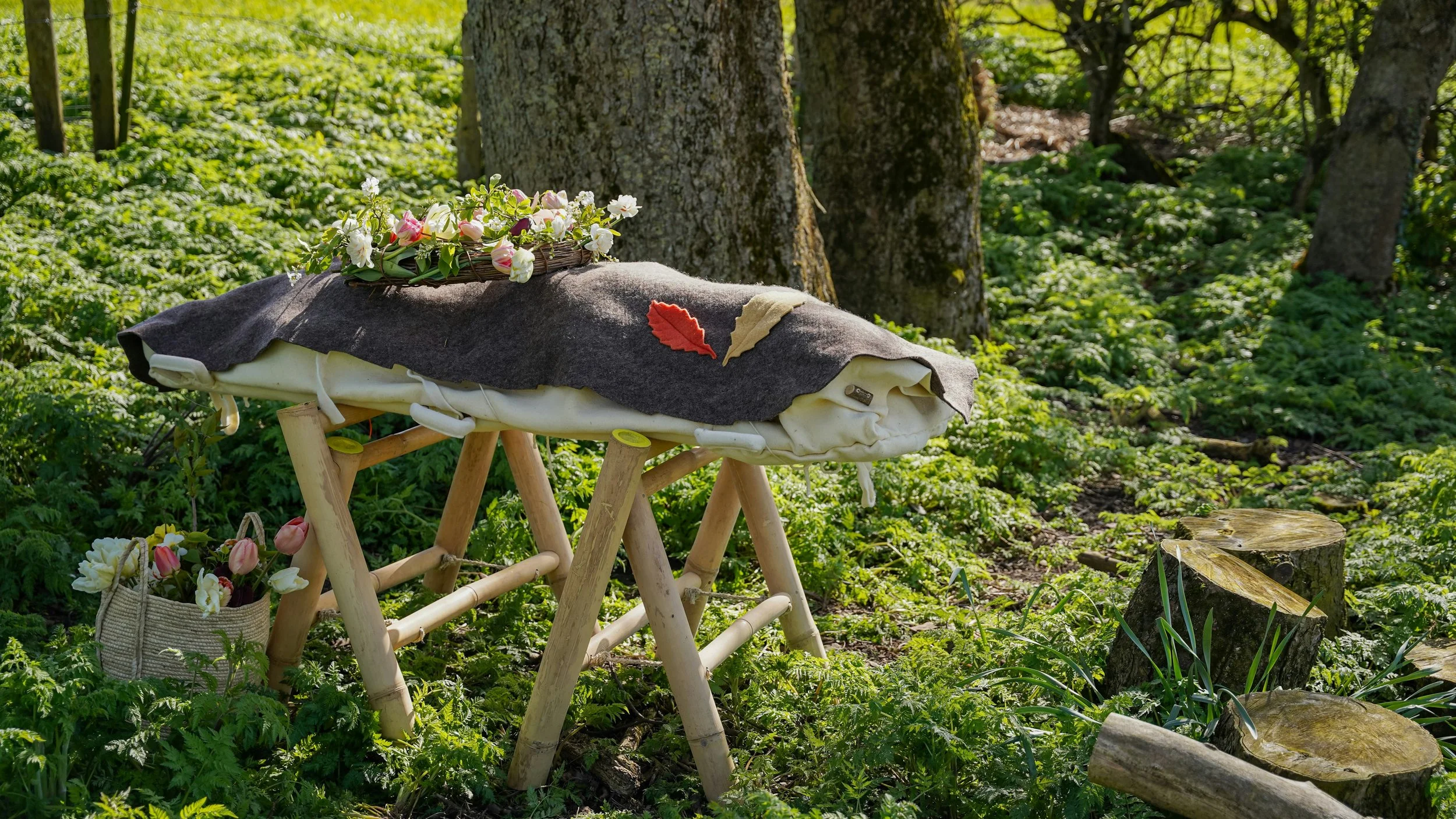
Natural/Green Burial: A natural burial is when the body is buried in a natural fiber shroud, in a biodegradable casket or a plain pine coffin, and is then buried in a dedicated bushland area to allow natural decomposition, such as at Frenchs Forest Bushland Cemetery and Sydney Natural Burial Park (Kemps Creek)
Aquamation (Water Cremation): Aquamation is fairly new in Australia. The process includes placing the body in a stainless steel vessel and is then submerged in a solution of 95% water and 5% alkali (potassium hydroxide). Then it is gently heated to around 150°C and circulated for 3 to 16 hours, accelerating natural decomposition. The soft tissues are broken down into a sterile liquid, leaving only the bone fragments behind.
Body Donation: If you are interested in donating your body to science, donating the body for medical science is possible through universities such as the University of Sydney, or UNSW, or to the Australian Facility for Taphonomic Experimental Research (AFTER).
Private Land Burial: Private land burial is possible within certain states with strict rules and regulations. It requires approval from the local councils and compliance with NSW Health guidelines.
There are other options that we hope to be legalized in Australia soon including human composting, where the body is placed in a vessel with organic materials (wood chips, straw) to turn into soil over 8–12 weeks.
It is important to talk to your family and loved ones about their options and preferences for the after care of their body and their postmortem arrangements. Having these conversations early can reduce the guess work and will allow every one to be on the same page when it comes to arrangements and wishes.